
Pledging
These are the original issues in this subcategory
- FACIAL RECOGNITION
- SOCIAL MEDIA PRIVACY
- DOMESTIC DRONES
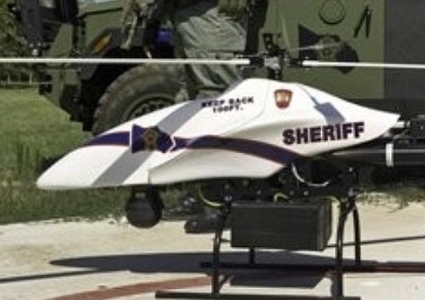
Drones, or unmanned aerial vehicles, are aircraft either remotely controlled by a pilot on the ground or autonomously flying a pre-programmed mission. Currently, anyone can purchase and legally fly a drone in most parts of the country, and more than 850,000 drones are now registered with the FAA, up from about 300,000 in 2016. However, advocates say these developments may not be good news to those who value their privacy. Hobbyist pilots are required to keep their drones in sight, below 400 feet, and out of airspace meant for passenger-carrying airplanes. Local and federal law enforcement agencies are rapidly increasing their use of domestic drones and manufacturers are considering arming these drones with nonlethal weapons like rubber bullets, Tasers and tear gas. Drones are used for search and rescue, photography, spotting wildfires, monitoring crops, patrolling our borders, and online retailer Amazon has even started using drones to deliver packages.
The FAA has adopted new rules that will allow small drones to fly over people and at night, a big step toward their eventual use for widespread commercial deliveries. The agency claimed these rules will address security concerns by requiring remote identification technology in drones that enable their identification from the ground.
Pending Legislation: S.1249 - Drone Integration and Zoning Act
Sponsor: Sen. Mike Lee (UT)
Status: Senate Committee on Commerce, Science, and Transportation
Chair: Sen. Ted Cruz (TX)
The FAA has adopted new rules that will allow small drones to fly over people and at night, a big step toward their eventual use for widespread commercial deliveries. The agency claimed these rules will address security concerns by requiring remote identification technology in drones that enable their identification from the ground.
Pending Legislation: S.1249 - Drone Integration and Zoning Act
Sponsor: Sen. Mike Lee (UT)
Status: Senate Committee on Commerce, Science, and Transportation
Chair: Sen. Ted Cruz (TX)
- I oppose reforming current domestic drone policy and wish to donate resources to the campaign committee of Leader John Thune (SD).
- I support giving states, local governments, and property owners authority over low-altitude airspace (under 200 feet), shifting control from the FAA to local entities to manage threats and local concerns by: 1.) Defining the term “immediate reaches of airspace” as the area within 200 feet above ground level (AGL). 2.) Removing the area within 200 feet AGL from the FAA’s definition of "navigable airspace" for civil drones, granting local governments authority to set restrictions in this zone. 3.) Explicitly preserving the rights of state and local governments to regulate the placement, construction, and modification of drone take-off and landing zones. 4.) Requiring drone operators to obtain permission from property owners to fly within the "immediate reaches of airspace" above their land. 5.) Empowering local authorities to enforce rules on flight speed, time-of-day operations, and no-fly zones near schools, parks, or public events. And wish to donate resources to the campaign committee Sen. Ted Cruz (TX) and/or to an advocate group currently working with this issue.
- I support giving states, local governments, and property owners authority over low-altitude airspace (under 200 feet), shifting control from the FAA to local entities to manage threats and local concerns by:
1.) Defining the term “immediate reaches of airspace” as the area within 200 feet above ground level (AGL).
2.) Removing the area within 200 feet AGL from the FAA’s definition of "navigable airspace" for civil drones, granting local governments authority to set restrictions in this zone.
3.) Explicitly preserving the rights of state and local governments to regulate the placement, construction, and modification of drone take-off and landing zones.
4.) Requiring drone operators to obtain permission from property owners to fly within the "immediate reaches of airspace" above their land.
5.) Empowering local authorities to enforce rules on flight speed, time-of-day operations, and no-fly zones near schools, parks, or public events.
And wish to donate resources to the campaign committee Sen. Ted Cruz (TX) and/or to an advocate group currently working with this issue.
You May Pledge Your Support For This Issue With A Monetary
Donation And By Writing A Letter To Your Representatives
Donation And By Writing A Letter To Your Representatives
Please login to pledge
Pledge Period - Opening Date
March 2, 2026 @00:01 Universal Coordinated Time (UTC)
Pledge Period - Closing Date
March 8, 2026 @23:59 Universal Coordinated Time (UTC)
Trustee Election - Begins
March 9, 2026