
Pledging
These are the original issues in this subcategory
- DOMESTIC DRONES
- SOCIAL MEDIA PRIVACY
- FACIAL RECOGNITION
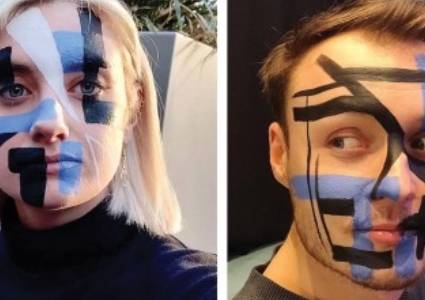
Facial recognition systems use biometrics to map facial features from a photograph or video. It then compares the information with a database of known faces to find a match. Verification algorithms are used to match subjects to clear reference images, like a passport photo or mugshot. Under ideal conditions, facial recognition systems can achieve accuracy scores as high as 99.97%. However, accuracy decreases when images are too small, of poor quality, or taken from different angles. Facial recognition algorithms rely strongly on the nose bridge as a key facial marker so this system can be confused by covering one’s nose bridge with accessories like jewelry, face paint, or creative hairstyling to conceal the area just above the nose and between the eyes. Facial recognition can help verify personal identity, but it also raises privacy issues.
Pending Legislation: H.R.4695 - Facial Recognition Act of 2025
Sponsor: Rep. Ted Lieu (CA)
Status: Referred to the House Committees on the Judiciary, and Science, Space, and Technology, for a period to be subsequently determined by the Speaker
House Speaker: Speaker Mike Johnson (LA)
Pending Legislation: H.R.4695 - Facial Recognition Act of 2025
Sponsor: Rep. Ted Lieu (CA)
Status: Referred to the House Committees on the Judiciary, and Science, Space, and Technology, for a period to be subsequently determined by the Speaker
House Speaker: Speaker Mike Johnson (LA)
- I oppose reforming current facial recognition policy and wish to donate resources to the campaign committee of Speaker Mike Johnson (LA).
- I support regulating how law enforcement agencies use facial recognition technology by: 1.) Prohibiting law enforcement from using facial recognition in conjunction with a reference photo database without a court-ordered warrant, except in specific emergencies. 2.) Requiring agencies to remove photos of individuals who are under 18, released without charges, acquitted, or had charges dropped from their facial recognition databases every six months. 3.) Granting individuals the right to sue for $50,000 per violation if the act is breached. It also allows for civil actions if the technology results in disparate treatment based on race, gender, or age. 4.) Mandating a 15% reduction in federal grant funds for state or local governments that fail to comply with the act's regulations. 5.) Requiring law enforcement to provide notice to individuals if facial recognition was used in their investigation and must establish a publicly available policy governing its use. And wish to donate resources to the campaign committee of Speaker Mike Johnson (LA) and/or to an advocate group currently working with this issue.
- I support regulating how law enforcement agencies use facial recognition technology by:
1.) Prohibiting law enforcement from using facial recognition in conjunction with a reference photo database without a court-ordered warrant, except in specific emergencies.
2.) Requiring agencies to remove photos of individuals who are under 18, released without charges, acquitted, or had charges dropped from their facial recognition databases every six months.
3.) Granting individuals the right to sue for $50,000 per violation if the act is breached. It also allows for civil actions if the technology results in disparate treatment based on race, gender, or age.
4.) Mandating a 15% reduction in federal grant funds for state or local governments that fail to comply with the act's regulations.
5.) Requiring law enforcement to provide notice to individuals if facial recognition was used in their investigation and must establish a publicly available policy governing its use.
And wish to donate resources to the campaign committee of Speaker Mike Johnson (LA) and/or to an advocate group currently working with this issue.
You May Pledge Your Support For This Issue With A Monetary
Donation And By Writing A Letter To Your Representatives
Donation And By Writing A Letter To Your Representatives
Please login to pledge
Pledge Period - Opening Date
December 29, 2025
Pledge Period - Closing Date
January 4, 2026
Trustee Election - Begins
January 5, 2026